
How To Cool Down a New-Build House
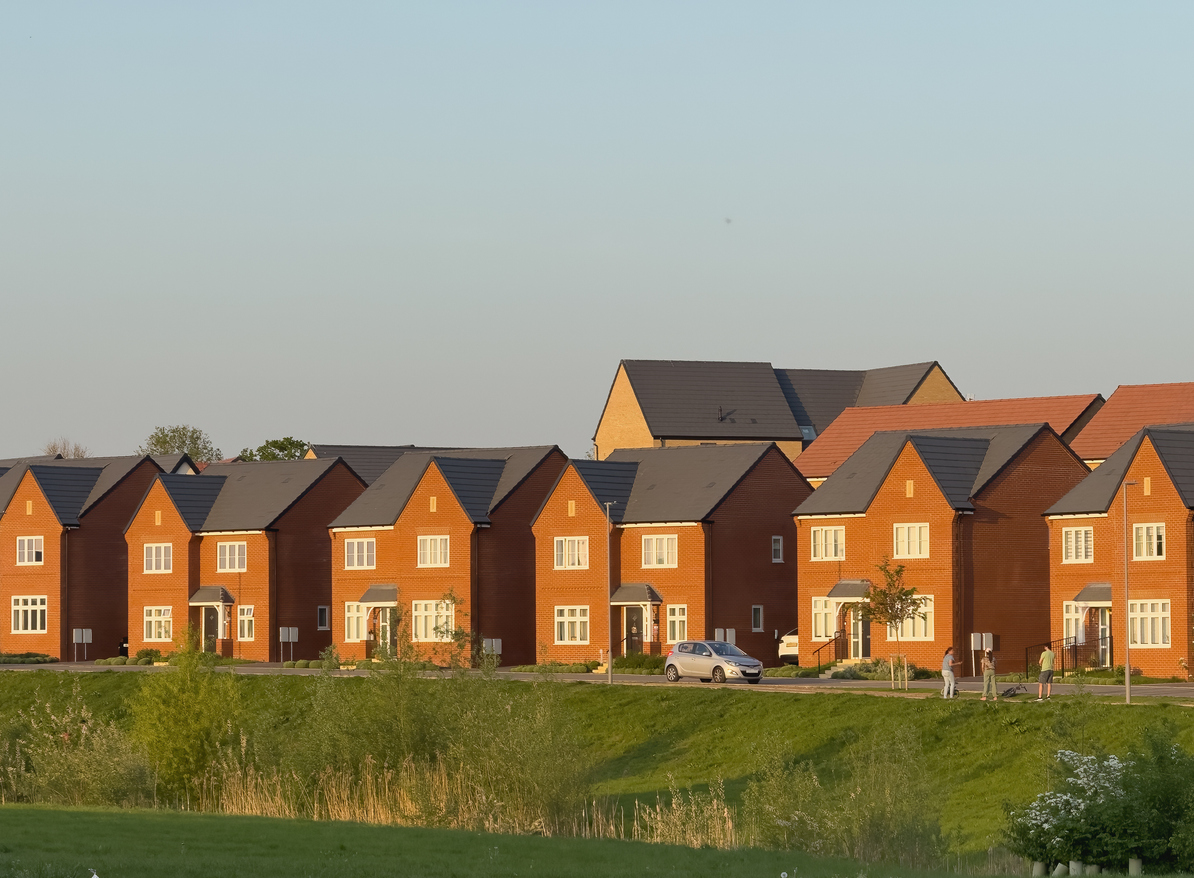
Modern new builds have been created to be among the most energy-efficient buildings in history. They contain high-quality insulation; they’re airtight, featuring double or triple-glazed windows, and have modern heating systems, including heat pumps and underfloor heating. New-build homes are made to keep you cosy but use significantly less energy than older homes.
For homeowners and the environment alike, this is great news. High-quality insulation reduces household energy costs, lowers the amount of carbon emitted by each household and keeps new homes warm and cosy through the cold winter months. New build heating system options like heat pumps and underfloor heating provide reliable, consistent warmth. This makes homes run more efficiently and reduces their environmental impact.
However, the same features that help retain heat in colder weather will also help retain heat in warmer weather, and the same attributes that allow a new-build home to efficiently retain heat in colder weather also make it hard for excess heat to leave the home.
Large amounts of insulation in walls and rooflines, tight construction and large, modern windows create a situation where, once that heat enters the home, it will remain for longer than usual. But don’t worry – here are some tips on how to cool down a new-build house.
Block Solar Heat
There are very few simple solutions to stopping excessive solar heat from getting into your home. The best solution is to block the sun in the first place during the hottest part of the day. Here’s how to do that:
- Close window treatments like curtains, blinds and shutters that receive direct sunlight during peak hours.
- Consider installing blackout or thermal shades if you have south-facing rooms.
- Installing exterior shading devices, such as an awning or pergola, can dramatically affect the temperature inside.
Stopping excessive heat from entering your home is much simpler than removing excess heat after it has entered.
Don’t Open Windows
The next tip on how to cool down a new build house is actually built on a common misconception. Opening your windows during the day when it is warm outside usually does not help to cool your home, and in fact, it may even make it warmer. Instead, leave your windows open in the early evening and continue to leave them open overnight when outdoor temperatures drop. Once your home cools down enough, simply close the windows in the morning before the daytime heat begins.
You can also create cross-ventilation by opening two windows on opposite sides of your home. Or, if you have a loft hatch, consider opening it at night to let natural rising currents take some of the warm air out of your home into the loft space.
Use Your MVHR System Effectively During Warm Weather
Many modern homes come equipped with mechanical ventilation systems, which recover some of the lost heat from exhausted stale air during colder months in order to increase overall efficiency. Many of these systems may feature a summer bypass mode, allowing cooler outside air to flow into the home without recovering unnecessary excess heat during warmer months.
When deciding on a ventilation system for a new build, or upgrading an existing ventilation system in an existing home, look for one that offers a summer bypass function. This will assist in maintaining an ideal internal temperature during periods of extreme external temperatures.
New Build Air Conditioning Systems
More people than ever before are looking to install air conditioning systems within their modern new-build homes due to rising summer temperatures across England. Modern air conditioning systems often include:
- Fast and effective cooling in extremely hot conditions.
- Improved sleeping conditions, as bedrooms are kept at a reasonable temperature.
- Improved indoor air quality, as they filter out airborne pollutants and debris.
- Reduced relative humidity (RH), resulting in a cleaner feeling indoors.
When combined with a renewable electricity source or a heat pump, air conditioning becomes a cost-effective option for those who wish to live in an eco-friendly manner.
That’s our guide on how to cool down a new build house. Hopefully, these tips will help you to beat the heat in your home. If you have any questions about any of the different new build heating options we’ve discussed in this guide, we’re happy to help. You can get in touch with us today to talk about these new technologies and whether they might be suitable for supporting cheaper and more efficient heating in your own home.